CCAA: strengthening executive managerial capacities
Published: Thursday, 05 February 2026 21:36


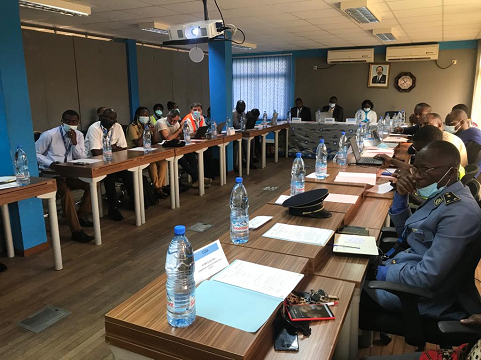
The Director General of the Civil Aviation Authority (CCAA), Mrs. Paule ASSOUMOU KOKI, inaugurated a high-level training seminar on management and leadership on February 2, 2026, at the CCAA Training School. This initiative underscores the Directorate General’s steadfast commitment to bolstering the competencies of its executive staff, ensuring they are fully equipped to discharge their mandates and advance the strategic missions of the CCAA.

In a professional landscape defined by a relentless pursuit of performance and the imperative of institutional cohesion, the Directorate General convened this intensive two-day session. Comprising six core thematic modules and various practical workshops, the seminar was tailored specifically for Directors and Deputy Directors, grounded in the principle that leadership and management serve as the fundamental pillars of organizational success.
The experts from AIDRH Consulting, commissioned for this session, emphasized that the CCAA requires "manager-leaders" capable of strategically planning, organizing, and supervising human and material resources to achieve sustainable performance. The Authority seeks officials with the capacity to inspire, influence, and motivate their teams by providing a clear vision and profound purpose to their daily operations.

Consequently, participants were equipped with tools for "leadership by example"-a model that inspires through action, accepts full accountability, and embodies institutional values, thereby fostering trust and engagement among staff.
The Directors were encouraged to adopt a management style rooted in credibility, consistency, discipline, and authority. The training highlighted that a loss of managerial authority can lead to staff demoralization, diminished productivity, and internal conflict. Such risks can be mitigated through the rigorous application of justice, equity, and personal exemplariness.
The manager’s role is thus to mentor collaborators while maintaining a productive, respectful work environment characterized by a structured and equitable framework. A proficient manager must give meaning to missions, effectively reward and promote talent, and instill a robust corporate culture. This requires a delicate balance between management and leadership, firmness and flexibility, alongside strict administrative oversight of assets and expenditures. Central to this role is the ability to communicate transparently with teams and, crucially, the resolve to "say no" when necessary.
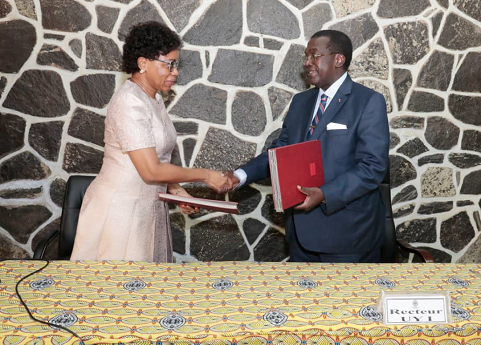
In conclusion, this training has equipped Directors to enhance team management, a critical lever for the CCAA’s organizational success. It serves as a guarantee for increased productivity, conflict prevention, and strengthening staff confidence. To signify their commitment to this institutional transformation, all participants signed an "Ethical and Honorary Commitment Charter for CCAA Managers and Leaders." This capacity-building program is slated to be extended to CCAA service and bureau heads.